Free shipping sitewide!* View Details
Free shipping sitewide!* View Details

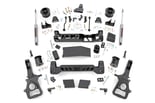
What Should You Upgrade After Installing a Lift Kit?
October 28, 2026
0
upgrades
lift kit
Upper Control Arms
wheel and tires
Shocks
Start with an Alignment and a Few Basic Checks
Before worrying about your next upgrade, make sure your lift is dialed in.
Changing your suspension height affects alignment angles, which might leave your truck pulling to one side, wandering on the highway, or wearing through tires faster than expected.
A professional alignment should be one of your first stops after installing a suspension lift or leveling kit.
While you're at it, don't forget a couple of other important checks:
- Re-torque your hardware. Many Rough Country lift kits recommend checking and re-torquing suspension hardware after the first 500 miles. Follow your kit's installation instructions for the correct schedule and specifications.
- Adjust your headlights. Your truck sits higher now, and your headlights might need to be aimed lower to keep the beam on the road instead of in the eyes of oncoming drivers.
It's also worth looking over your suspension periodically. Catching a loose bolt or worn component early is a whole lot better than finding out something's wrong halfway through a road trip.
Get the Latest from Rough Country
Sign up for our newsletter to receive product updates, exclusive deals, and off-road tips straight to your inbox.
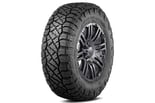
Get the Right Tires and Wheels
Let's be honest, bigger tires are often the whole reason for installing a lift kit.
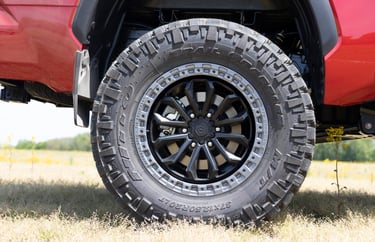
Whether you're thinking about 33s, 35s, or 37s, don't assume your lift height tells you everything you need to know about fitment.
Tire width, wheel offset, and backspacing all play a part in how much room you have. The wrong combination might leave your tires rubbing against suspension components or catching the fenders when you turn.
And even with a lift, some oversized tire setups still need a little trimming.
Before buying, check the recommended wheel and tire sizes for your specific Rough Country lift kit. Those recommendations give you a good starting point and help avoid an expensive fitment mistake.
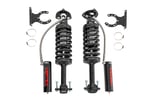
Decide if Your Shocks Need an Upgrade
You don't automatically need new shocks because you've lifted your truck.
Many Rough Country lift kits already include shocks designed to work with the new suspension height. Others are designed to retain certain factory components.
If your truck rides well and your shocks are compatible with the lift, you're in good shape.
But if you're spending more time on rough trails or want to change how your truck handles bumps, upgrading your shocks might be worth considering.
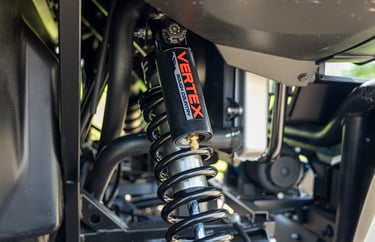
Rough Country offers several options, including N3, M1, V2, and Vertex shocks for select applications. Which one makes sense depends on your setup and how hard you're working your suspension.
Pay Attention to Your Control Arms and Steering
Lifting your truck changes the angles your suspension and steering components operate at. Depending on the lift, some factory parts might need a little help.
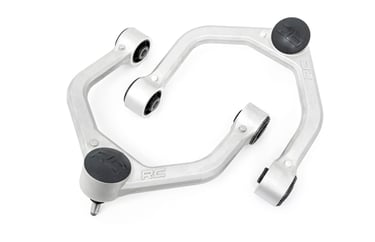
Upper control arms are a good example. On certain trucks with independent front suspension, aftermarket control arms help improve ball-joint angles, alignment, and clearance after lifting.
But don't assume you need them simply because you've added a few inches of height. Some lift kits already include the necessary components, while others work with the factory setup.
Bigger tires also put more demand on steering components. If you notice wandering, shaking, or extra play in the steering wheel, have your tie rods, ball joints, and steering linkage checked.
A steering stabilizer is another option for reducing steering feedback on certain vehicles, especially Jeeps. Just remember, it won't fix worn steering parts or an alignment problem.
Make Getting In and Out a Little Easier
One thing you notice pretty quickly after lifting a truck is how much higher you have to climb to get inside.
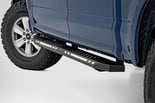
Running boards and steps make everyday driving a lot more convenient, especially if you've got passengers who aren't thrilled about climbing into a lifted truck.
Rough Country offers fixed running boards, drop steps, and power running boards that extend when you open the door and tuck away when you close it.
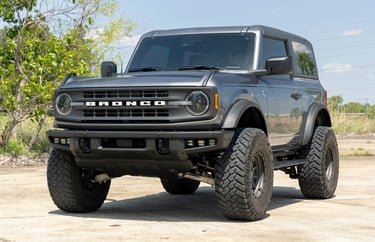
For Jeeps and trucks spending more time on rocky trails, rock sliders might make more sense since they also help protect the rocker panels.
And if your new wheels and tires stick out farther than the factory setup, fender flares are worth a look. They provide additional tire coverage and help keep mud, rocks, and road debris from hitting the sides of your truck.
Add Protection if You're Heading Off-Road
If you installed a lift to spend more time on the trails, a few additional upgrades might be worth considering.
Skid plates help protect vulnerable parts underneath your vehicle, while differential guards and off-road bumpers add protection in areas likely to take a hit.
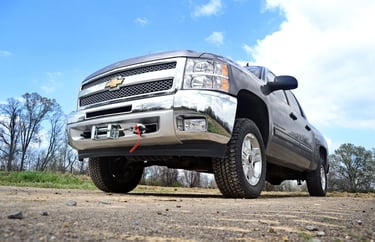
Recovery gear is another thing you'll want to think about. Traction boards, a winch, properly rated recovery points, and an air compressor are useful to have when you're exploring away from paved roads.
You don't need to buy everything at once. Think about where you drive, what obstacles you encounter, and which gear makes sense for those conditions.
Keep an Eye on Your Driveline and Brakes
Some lifts need additional components to keep everything operating at the right angles. Depending on your vehicle, those parts might include driveshaft spacers, longer sway bar links, or brake line relocation brackets.
Many complete lift kits already come with the required parts, so check your installation instructions before adding anything else.
Larger, heavier tires also change how your brakes perform. You might notice a difference in stopping feel, particularly when towing or carrying extra weight.
That doesn't mean every lifted truck needs bigger brakes. Start by making sure your current braking system is in good condition.
If you notice new vibrations, unusual noises, or changes in braking after your lift and tire installation, get those checked before putting more miles on the truck.
Build Your Ride Around How You Drive
The best upgrades after installing a lift kit aren't necessarily the most expensive ones. They're the ones that make sense for your truck.
If you're driving to work every day, bigger tires, a good alignment, and a set of running boards might be all you want. If your weekends involve rough trails, you'll likely be more interested in shocks, protection, and recovery equipment.
Start by making sure your lift is installed correctly and everything works as intended. Then add the upgrades that fit your driving habits and budget.
Ready for the next step? Check out Rough Country for tires, wheels, suspension upgrades, steps, and off-road accessories to finish your build.